Q I N G H A I P R O V I N C E, C H I N A | W I N T E R 2 0 2 1
A Return To Her Roots, In Search of Root Causes
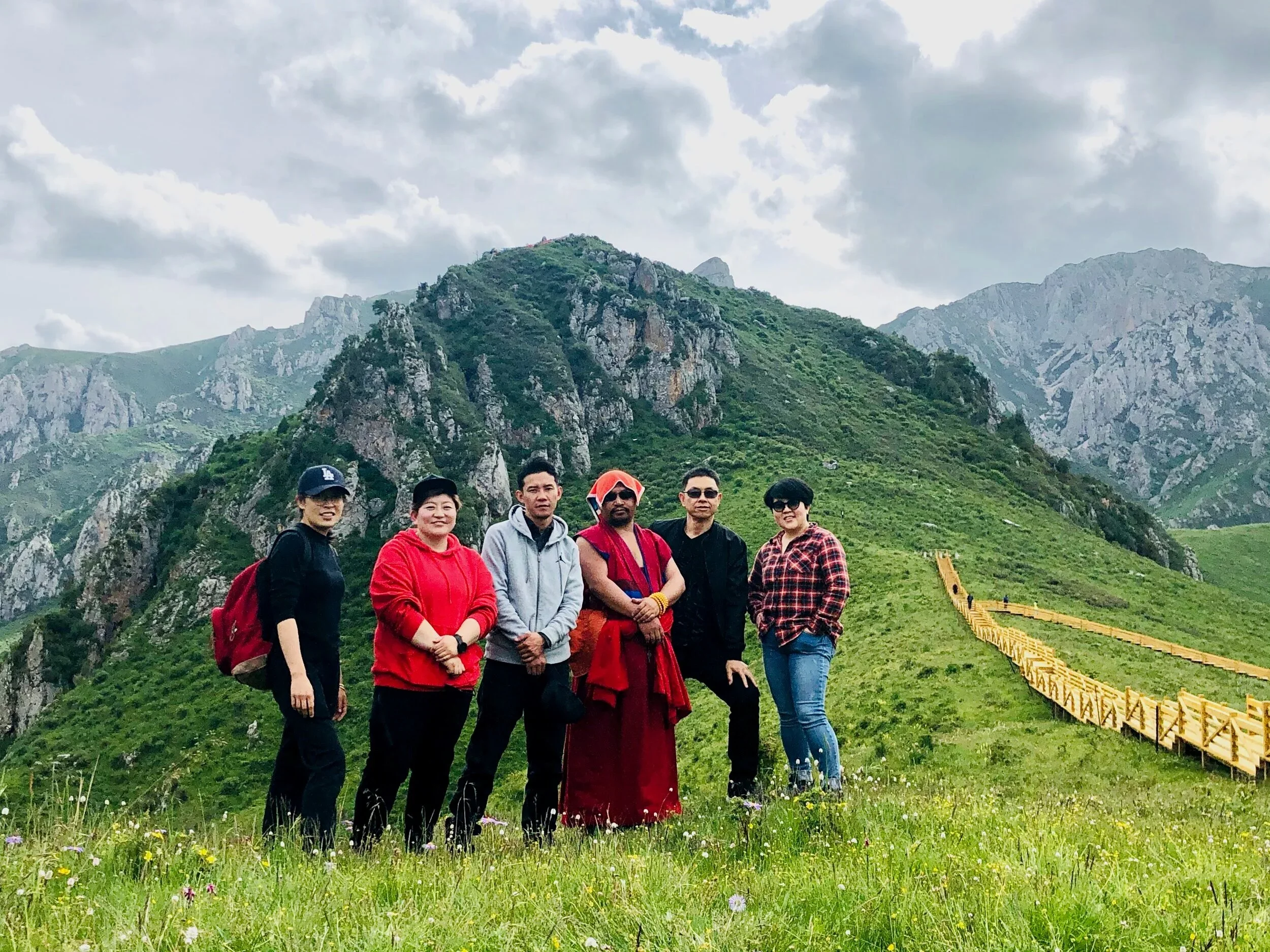
Tanna Uran, first from left, takes a moment to pose with two of her graduate students alongside locals of Henan county.After scratching the surface of her career as a newly minted neurosurgeon, Tanna Uran made a record-scratch decision: at the culmination of her internship, she quit.
From the outside facing in, the choice may have seemed foolish. But to Uran, it wasn’t brain surgery, both in a literal and idiomatic sense. Although her years of medical training had instilled a deep understanding of the human body—its systems and building blocks, the functions and relationships of its largest and smallest parts—they left her with a growing list of questions. One conversation with Uran is all it takes to know that when it comes to queries left unanswered, she is not the type to idle on them.
“I wanted to find the reasons for diseases, or any kind of biological questions—not just try to treat patients, or give them prescriptions or surgeries,” Uran recalled. “I wanted to dig into the underlying questions … why I was treating this patient in this method, or following this protocol.”
Challenging the status quo was only the first step. Before she could take a deep dive into the health of strangers, Uran had to focus the lens on her own deep-rooted motivations. By looking inward, she found herself looking upward.
“Even when I was a little kid, I liked mountains and higher altitude places,” she shared. As a native Mongolian and an avid mountain climber, the region’s skyscraping peaks feel just as familiar to her as its grasslands and lakes. “For us, for Mongolians, we live in different areas and different culture, a really different kind of environment, and [have] adapted to different areas,” she added.
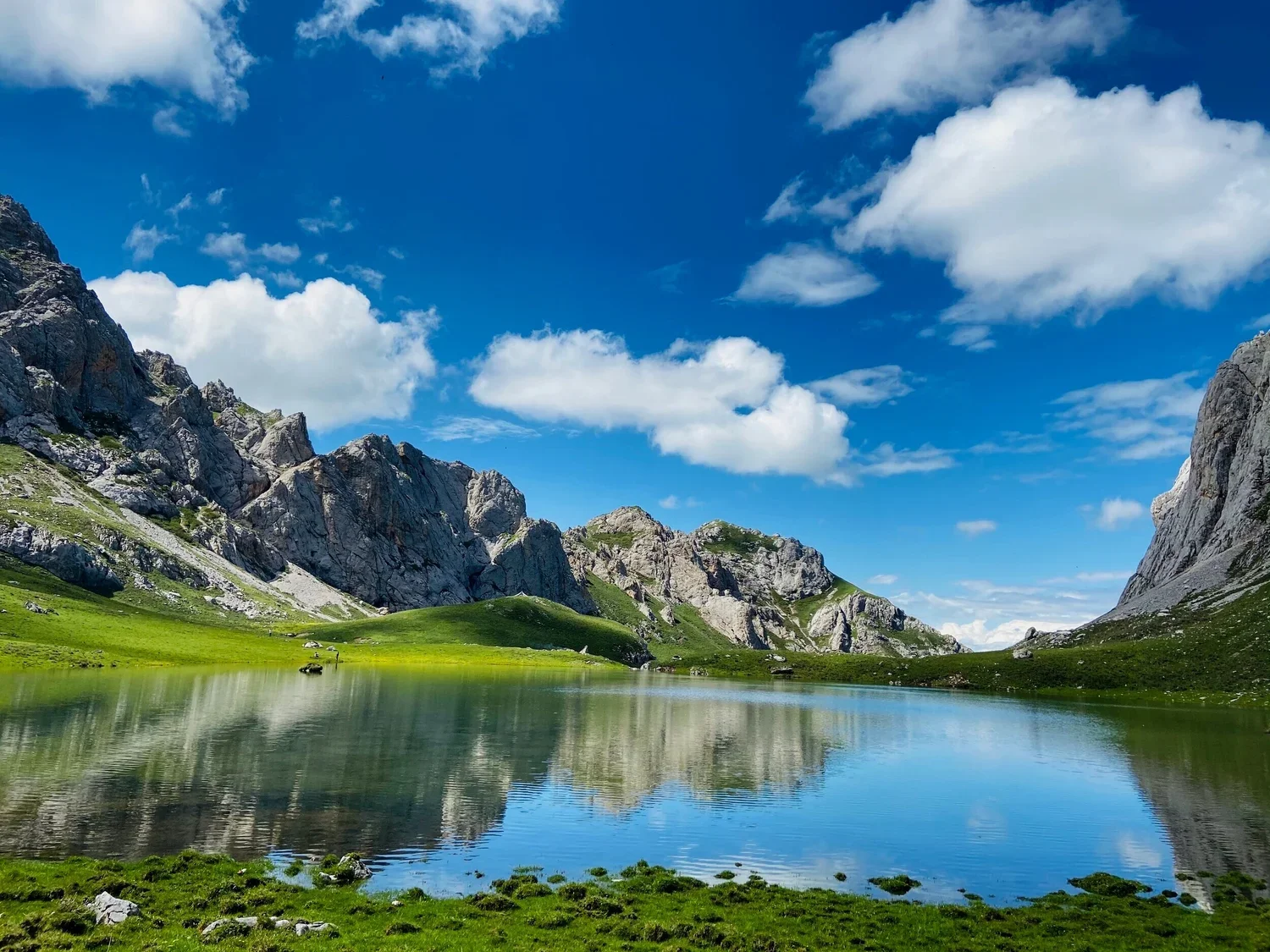
“Working in this Tibetan [area], I have really connected to the culture and where I grew up ... I feel like I’ve come back to home.”
— Tanna Uran
So when the opportunity to complete graduate school and pursue high-altitude research in Qinghai, China presented itself, she grabbed it by the horns. In fact, some of her preliminary work revolved around the Tibetan antelope, a mid-sized bovid characterized by both its curving spires and its extraordinary adaptation to the alpine climate.
Using a traditional horse herding style to track a group of antelope, “we looked at all their phenotypes and physiological traits, and we also did a whole genome sequencing on the Tibetan antelope,” Uran said. “They were endangered in a certain period of time, but now their species is coming back. It was really amazing to see how they adapted to modern changes.”
The painstaking efforts allowed her team to better understand how the antelope’s physiological traits enable its high running and ground speeds, despite the area’s high altitude. Although her research on animals ended with the antelope, her driving motivation—to uncover the myriad factors that contribute to Tibetans’ extraordinary adaptation to extreme altitudes—carried over in the years that followed.
“From my own curiosity or interests, I’m always trying to answer: why Tibetans can perform,” Uran summed up. “It’s a really simple question, right? Why Tibetans can perform at altitude this well? Every time I see my Tibetan [mountaineering] guides, they run through everything with a huge load. That’s the one thing I want to know: how their genetic adaptation helped them to perform that well.”
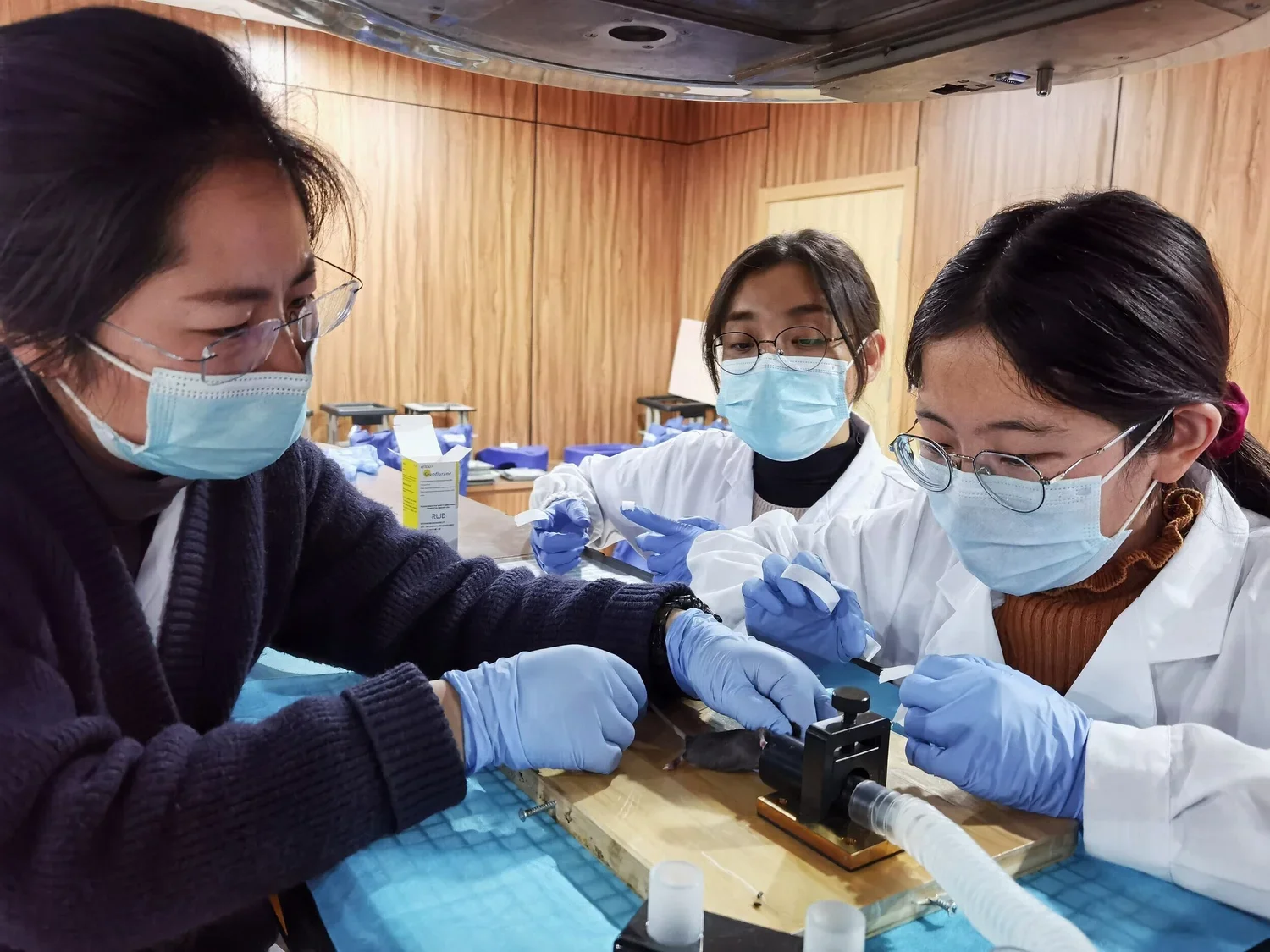
The underlying question spurred a decade’s span of research, inclusive of a co-authored paper with the Simonson lab’s own Tatum Simonson that investigated the relationship between metabolism and adaptation amongst native Tibetan individuals from the Tuo Tuo River region.
More specifically, it explored the hypothesis that improved adaptation to decreased oxygen availability would be attributed to a deprioritization of fatty acid oxidation, in favor of a shift in fuel preference to glucose oxidation and glycolysis. The findings suggested that genetic adaptation to high altitude involves alteration in energy utilization pathways, although additional controlled studies are needed to substantiate them.
A second paper analyzed genomes of 260 adult Tibetans in good health who resided at different altitudes, spanning from China to India and the United States. Building on learnings from one of Simonson’s earlier publications, Uran supported the research based out of China. The group determined that across all altitudes and after adjusting for participants’ ages, genders, and MCHC, the hypoxia inducible transcription factor prolyl hydroxylase 2 is a gain-of-function—specific to Tibetan populations—that constitutes a part of the genetic foundation of high altitude adaptation by reducing hemoglobin, regardless of altitude.
Subsequent research analyzed another triad of populations; this time, three major groups of Tibetans. While all three groups refer to themselves as Tibetans and speak the same language, differing dialects prevent them from conversing with each other. Uran and her team wanted to identify their distinguishing nuances, beyond speech—and find out if any of those differences correlated with a given group’s high-altitude adaptation.
Aside from exploring if there was any presence of genetic relationships or changes amongst the groups, the study emphasized the importance of distinguishing them.
“We tried to study the populations separately, not just pool them all together in trying to answer this adaptation question,” Uran noted. “We had to let people know that if you want to study Tibetan populations, you’re going to have to be aware that there are some differences between the sub-populations … if our sample subjects are Kham Tibetans, we have to say [things] differently.”
In recent years, Uran’s added another layer of complexity to her research. At Qinghai University’s medical college, where she currently works as an MD-PhD and associate professor, the topic of high-altitude adaptation has served as a jumping-off point for more nuanced projects that she oversees at the college’s High Altitude Research Center.
One focuses on the clinical complications that typically accompany chronic mountain sickness (CMS), a condition that occurs at high altitudes. Polycythemia is one of the major clinical symptoms,” Uran shared, as well as platelet count concerns that “give physicians a big question—do they need to treat the blood clotting? Do they have to increase the platelet numbers?”
Her questions hung in the air for only a moment before she volunteered potential answers. “I’m trying to find out the reason why platelet numbers are low: under hypoxia, the platelet is activating too much; [or,] they’re decreasing the number too fast. Or, [patients] are just generating too low of platelet numbers out at high altitude.” The answer, she said, “will give clinicians guidance to how to treat their CMS patients.”
In comparison, Uran’s other teams are homing in on more specific areas—or invaders—of the body. Out of a cohort of six graduate students, one is dedicated to researching tumor hypoxia; specifically, how that state shapes the immunosuppressive cells in a given tumor’s microenvironment. Two others have been assigned to what Uran simply summed up as “the placenta project,” nondescript nomenclature that belied her explanation that followed.
“We’re trying to look at the placenta from Tibetan populations and understand how they can get reproductive success at high altitudes … how [they] can put out healthy-weight babies at altitude with limited oxygen supply,” she elaborated. “One student is working on trying to compare the mitochondria respiration and metabolic reprogramming on the placenta, between Tibetan populations and non-native, high-altitude populations. And then another student is trying to find out why there are lower cases of preeclampsia among Tibetans at high altitude compared to non-native, high-altitude populations.”
Despite the intersection of a high number of oxidative, stress-related complications—including, but not limited to preeclampsia—during pregnancy, she added, native Tibetan mothers appear to have healthier pregnancies across the board, compared to those from low-altitude and non-native, high-altitude populations.
For those reasons, “the placenta is a great organ to look at,” Uran enthused. Nurturing its potential, she believes, may gestate more than a large body of research. “If we can find out the specific target, we probably could help out a lot of non-native, high-altitude populations at altitude, and give them proper treatments or some suggestions for having a healthy baby at altitude,” she said. “That’s the big goal.”
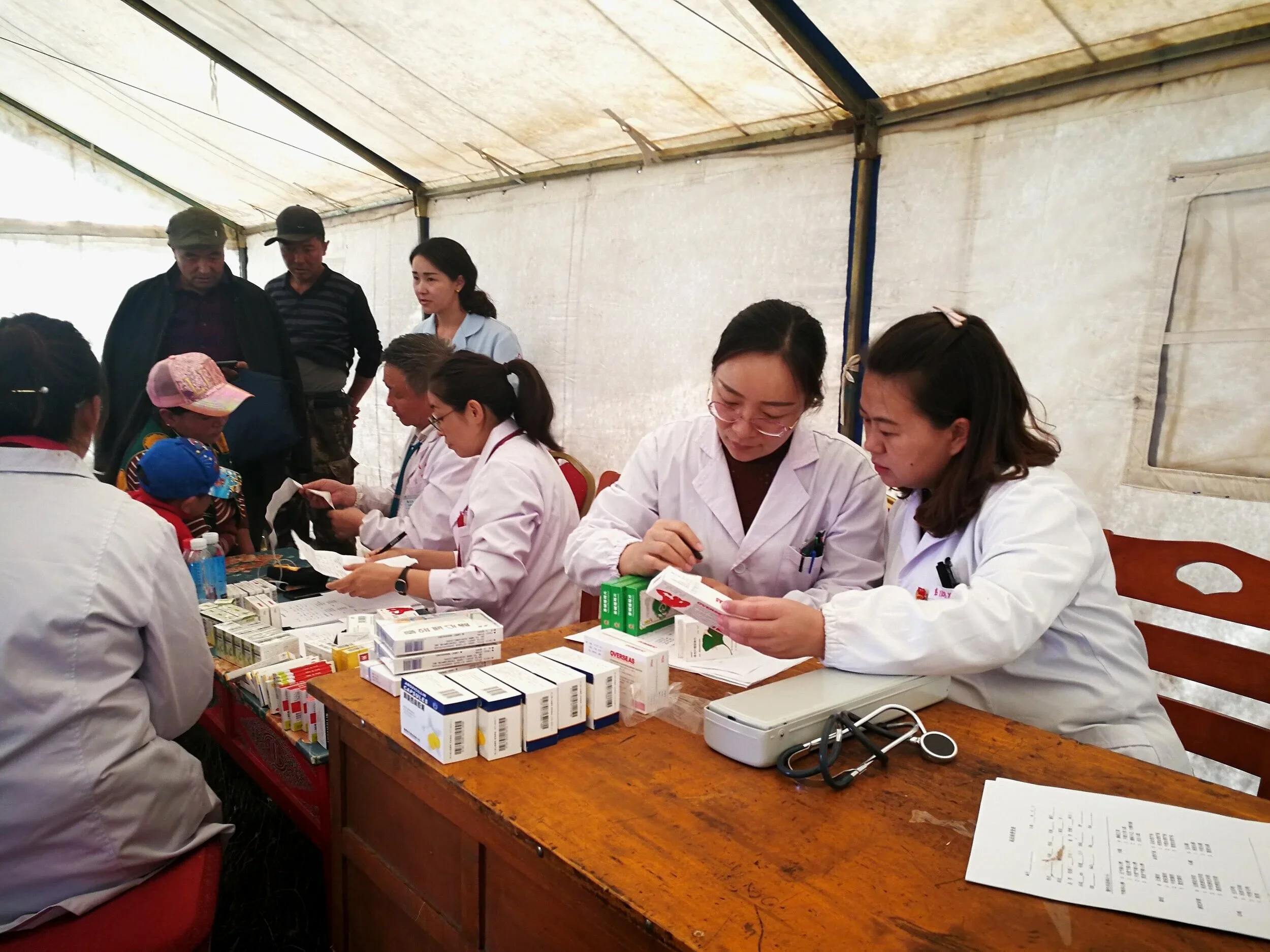
Two graduate students on Tanna’s team provide medical support for a temporary clinic.It also brings her earlier medical training full circle, in more ways than one. Although her time as a practicing physician was brief, Uran recognizes its influence on her work today. “I think I really want to tie in the clinical things—the translational medicine—with my current studies,” she said.
The innate connection to her heritage isn’t lost on her, either. “How I drive scientific research is really connected to my ethnic background. I spent all my summer and winter breaks in the countryside with the animals and the nomadic lifestyle,” she recalled, adding that she still frequently visits her relatives in inner Mongolia. “So that gave me a completely different perspective towards all my study subjects, and even how to give back to the society.”
It makes sense, then, that she described herself as someone who “really can’t separate myself from work and life.” The answers she’s sought over more than ten years, in fact, require an intimate understanding of both—and absolutely no operating rooms. By looking inward and upward, she’s been able to move forward, closer towards fulfilling her team’s aspirations at higher elevations.
“Working in this Tibetan [area], I have really connected to the culture and where I grew up,” she said. “I feel like I’ve come back to home.”